
Dismissed Case
If your case is dismissed, it is essentially dropped. Often, this occurs when there is not sufficient evidence to prosecute you. Completing a relevant treatment program or court-ordered community service can also lead to a dismissal. On record it will indicate that the case was dismissed and that you were not convicted of the criminal offense. However, with a dismissal the case and charges will still be on record. Someone else could learn about the arrest through an official background check. Background checks are ran for various reasons throughout your life. For instance if you apply for a loan, an apartment or housing, or a job, background checks may be ran and though dismissed, charges are visible.
Expunged Case
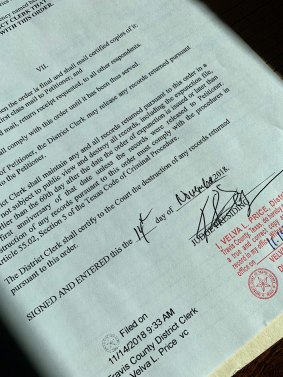
Expungement does not completely destroy your criminal record, but makes it inaccessible in most situations. Expungement essentially erases official records including fingerprints and photographs from computer and paper records. However these records are not destroyed, but put into a different safe or file. Law enforcement, courts, and Immigration and Naturalization Service (INS) can still access these records. This can be particularly tricky for immigration issues and deportation, or for people that face future charges. Often, fingerprints sent to the Federal database are not removed. If someone inquires about your criminal records, legally the response is “No such records are found.”
 David Ramos Law