Scooter Scourge

Untitled design-48

The sidewalks and streets of Austin have become congested with electric scooters. Promoted as an innovative and inexpensive method of transportation, these scooters are prevalent across the city and can reach speeds of up to 15 mph. Although the new technology offers rider safety information, there have been countless reports of scooter-related accidents, including property damage, personal injury, and a death.

As with any form of transportation, the potential for injury on an e-scooter is high. Collision with other vehicles is common, as these scooters aren’t easily visible to motorists. Road hazards and harsh weather conditions further increase the risk of an accident, since e-scooters aren’t very stable. In addition, most riders have little experience using the scooters and choose to not wear a helmet.

Unfortunately, scooter-related injuries aren’t exclusive to riders. Pedestrians and cyclists are at risk of collision as well. One common complaint surrounds the way the scooters are parked. They are frequently abandoned on sidewalks, in bike lanes, and in front of building entrances. This placement furthers the risk of personal injury to non-riders, which begs the question of liability.

Although the city has enforced rules about the use of e-scooters, including restricted zones and safe parking guidelines, more regulation is needed to ensure safety. Because the technology is still relatively new, accidents that result from e-scooter use (or misuse) can involve tricky legal issues. If you’ve been injured in an e-scooter accident, contact a personal injury attorney. Hiring an experienced lawyer is the best way to determine a plan to gain compensation.


The Legal History and Future of Cannabis in Texas

Drugs have remained a very important point of contention in Texas throughout it’s modern history. From giving local police a chance to play wild west sheriff to maintaining a large and consistent labor force for the state’s many private prisons, drug prohibition is an ingrained part of the Texas legal system, but perhaps none as much as marijuana.

Initially in common use as a medicinal herb to treat everything from headaches to asthma, public opinion among white settlers began to worsen around marijuana during the turn of the 20th century, due largely to its association with Mexican settlers in Texas. As tensions rose between the groups, so did the opposition to “marihuana”.

Texas began it’s prohibition campaign 100 years ago, restricting sales before completely outlawing simple possession of cannabis, declaring it a dangerous narcotic. Punishments were severe, often resulting in lifetime sentences and allowing police to kill those under the influence indiscrimiately, a fact used to harshly target non-white races.

Things began to change, slowly, following the liberation movements of the 1960’s. This was also around the time other drugs such as cocaine began rapidly increasing in popularity. Eventually possession of small amounts of cannabis was reclassified as a misdemeanor and enforcement, while still highly targeted, became less harsh.

The biggest change for Texas came in 2007 when the state legislature gave individual police departments the discretion to issue a citation instead of an arrest for some minor crimes including possession of marijuana. Most metropolitan areas in Texas took advantage of this program Including Austin, Houston, Dallas and San Antonio, effectively decriminalizing possession of marijuana throughout much of the state.

The last several Texas legislative sessions have consistently brought up cannabis and drug reform policies including state wide decriminalization bills, medical marijuana, recreational marijuana and even a number of industrial hemp bills. The majority of these bills have died before a vote, but change is on the horizon.

In 2015, the Texas Compassionate Use Act legalized the use of CBD products for medical applications. This brought the first whispers of medical marijuana to Texas and while legislators at the time insisted that real medical cannabis will not come to Texas, increasing pressure from Texans and competitive markets surrounding the state on all sides could mean legal marijuana may be coming to Texas in one form or another very soon.

In 2018, both the Texas Democratic Party and the Texas Republican Party added major cannabis reform to their party platforms. The Texas legislature is currently in session and several cannabis related bills have picked up traction including major expansions to the current Compassionate Use law, statewide decriminalization and unimpeded industrial hemp production.

Since Texas does not allow voter referendums, it is ultimately in the hands of the legislators, the Attorney General and the Governor, who all must decide whether they serve the interests of private prisons, police unions and legal drug companies. Or whether they will finally vote in the interests of the Texans who elected them, who have been screaming “Legalize it!” for a decade.


Got Pulled Over? Know Your Rights

auto automobile blur buildings
Photo by Pixabay on Pexels.com

A traffic stop is something almost every driver will experience at least once in his or her lifetime. Whether or not an actual violation occurred, an officer needs only reasonable suspicion to initiate a traffic stop. Drivers are required to provide their license, registration, and insurance when asked to do so and should obey any direct orders given by the officer. However, drivers are within their rights under Texas law to decline certain requests.

1. You have the right to know why

Drivers can ask why they were pulled over if this information is not directly provided to them. They may also ask whether or not they are being detained if the interaction runs long.

2. You have the right to film

The growing spotlight on improper police conduct has prompted many citizens to record their encounters should the situation turn hostile. Drivers (and citizens in general) may record their interactions openly.

3. You have the right to refuse (preliminary) alcohol testing

If a driver is lawfully arrested, he or she is required to take a chemical test to determine blood alcohol concentration (BAC). If an arrest has not occurred and the officer is requesting a voluntary preliminary alcohol screening (a breathalyzer), the driver can refuse to take this test.

4. You have the right to refuse a property search

Officers must have probable cause to search a vehicle without the driver’s consent. This means they must have proof that a law has been broken, or a probable reason to believe such a violation has happened (such as clear observation). Drivers may also be subject to search if an officer feels that their safety is in jeopardy.

Dismissal VS Expungement

rawpixel-649905-unsplash

Dismissed Case

If your case is dismissed, it is essentially dropped. Often, this occurs when there is not sufficient evidence to prosecute you. Completing a relevant treatment program or court-ordered community service can also lead to a dismissal. On record it will indicate that the case was dismissed and that you were not convicted of the criminal offense. However, with a dismissal the case and charges will still be on record. Someone else could learn about the arrest through an official background check. Background checks are ran for various reasons throughout your life. For instance if you apply for a loan, an apartment or housing, or a job, background checks may be ran and though dismissed, charges are visible.

FullSizeR.jpg

Expunged Case

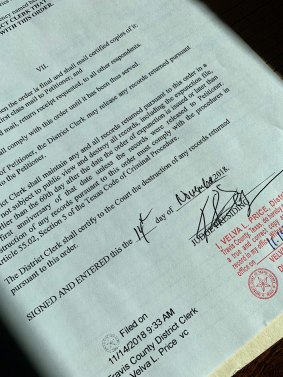
Expungement does not completely destroy your criminal record, but makes it inaccessible in most situations. Expungement essentially erases official records including fingerprints and photographs from computer and paper records. However these records are not destroyed, but put into a different safe or file. Law enforcement, courts, and Immigration and Naturalization Service (INS) can still access these records. This can be particularly tricky for immigration issues and deportation, or for people that face future charges. Often, fingerprints sent to the Federal database are not removed. If someone inquires about your criminal records, legally the response is “No such records are found.”

Why You Shouldn’t Defend Yourself

leyes-1-1

  1. You don’t know what they know:
    Lawyers went to school for years for a reason. Most have extensive experience tailored to your cases needs. Trying to learn all of this yourself is impossible and exhausting. Private attorneys often take priority on busy days in court while people representing themselves can be pushed to the bottom of the roster. Time is money. You’ll be wasting your own time by not hiring an attorney. Judges can be very impatient with people that do not understand the legal processes and jargon.
  2. You’ll mess up:
    Documents, procedures, and policies aren’t exactly layman knowledge. Chances are, you’re not aware of most of it. You could get yourself thrown out of court for simple mistakes, depending on the judge. An attorney will handle all of this, and guide you through the case: review the evidence, investigate your specific situation, and lay out your worst and best case scenarios.
  3. Dismissal is more likely with an attorney:
    An attorney knows if there is any legal basis for having your case dismissed or reduced. A defense attorney will be able to see the case against you is as strong as you think. They can have evidence excluded/included with their professional knowledge. An attorney is also the best way to argue for minimum consequences if you’re convicted, including community service or probation instead of jail time.
    Call David Ramos Law Firm Today